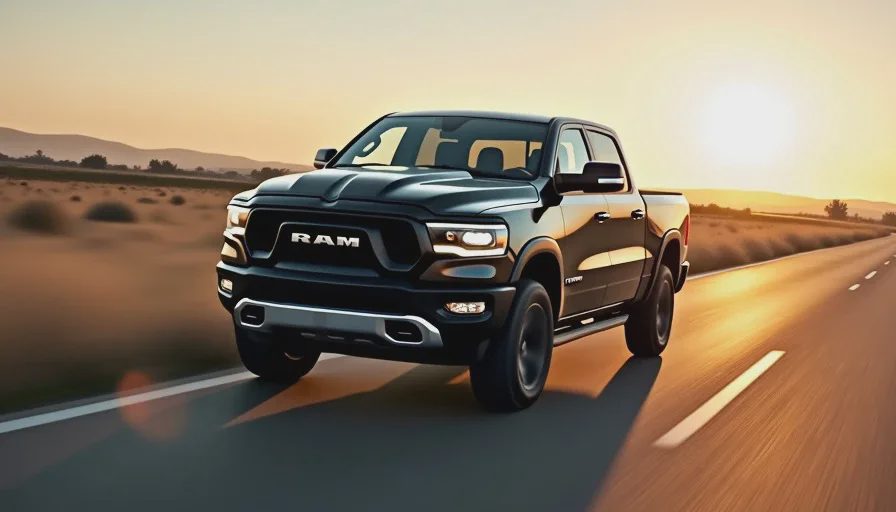
Mac here again from the Ram Ownership Lab in Golden. Buying a light-duty pickup truck today involves a major financial investment, with new vehicle prices reaching historic highs across the automotive industry. When you're spending your hard-earned money, you aren't just buying first-drive comfort—you’re buying the next 100,000 to 200,000 miles of service, maintenance bills, and weekend road trips. The choice between a late-model 5.7L HEMI V8 and the new 3.0L Hurricane I6 shapes your ownership experience for years. Let's analyze what long-term ownership really looks like in your garage.
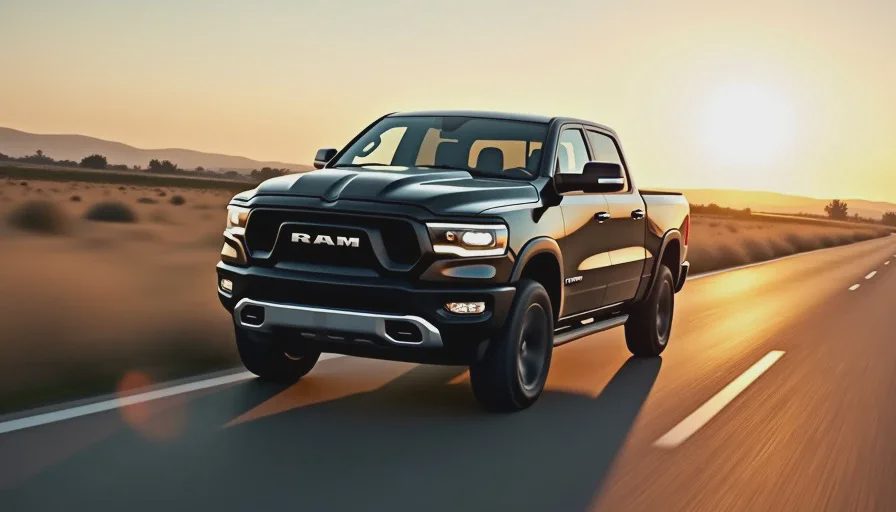
Defining the 100,000-Mile Ownership Horizon
When analyzing a vehicle purchase for the long haul, evaluating performance over the first 36,000 miles under factory warranty is only the beginning. True ownership value reveals itself after factory coverage expires, when out-of-pocket maintenance costs and component wear dictate your monthly budget. Modern full-size trucks routinely serve as daily commuters, family trip haulers, and weekend tow vehicles, exposing internal engine components to diverse climate conditions and operating cycles over a decade of continuous driving.
The 5.7L HEMI V8 enters this long-term discussion with decades of real-world service data backing its reputation. We know precisely what components tend to fail, when maintenance issues arise, and how much repairs cost at independent mechanic shops across the country. The 3.0L Hurricane inline-six, built with cutting-edge materials and advanced twin-turbocharger systems, promises high performance and efficiency. Evaluating these engines side-by-side requires comparing known historical wear patterns against modern engineering complexity.
36,000 Miles: Factory Bumper-to-Bumper Coverage Expires.
60,000 Miles: Powertrain Warranty Limit reached; Spark Plug & Transmission Fluid Inspection.
100,000 Miles: Out-of-Pocket Maintenance Era begins; Cooling System and Belt Replacement.
150,000+ Miles: Long-Term Mechanical Durability & Resale Value Threshold.
A practical long-term strategy requires looking past initial horsepower figures on showroom windows. You must account for replacement parts availability, routine service complexity, technician familiarity, and fuel choices over years of ownership. Whether keeping a truck until the odometer passes 200,000 miles or selling it before major depreciation hits, matching an engine platform to your maintenance habits is essential for a stress-free ownership experience across its active lifespan.
Mechanical Vulnerabilities and Common Repair Profiles
Every internal combustion engine design carries specific mechanical vulnerabilities that emerge over time and mileage. For the 5.7L HEMI V8, long-term ownership discussions always include the famous exhaust manifold tick. Warped manifold castings and snapped exhaust studs on the rear cylinders remain common repair items in independent auto shops nationwide. Additionally, Multi-Displacement System lifters require consistent oil pressure and proper viscosity to prevent camshaft lobe wear after extended engine idling periods.
The 3.0L Hurricane inline-six exchanges traditional V8 mechanical friction for forced-induction engineering systems. Instead of pushrods and lifters, the Hurricane uses twin turbochargers, direct fuel injection pressure exceeding 5,000 PSI, double overhead cams, and electronic wastegates. Turbocharged engines generate higher internal combustion chamber pressures and elevated thermal loads under continuous operation, placing greater stress on head gaskets, intercoolers, and synthetic engine oil over time.
Direct-injection fuel systems also present potential intake valve carbon buildup risks over high mileage. Because fuel is sprayed directly into combustion chambers rather than over intake valve backings, detergent additives in gasoline cannot clean valve stems automatically. Over 80,000 miles, carbon accumulation can restrict intake airflow, causing rough idles or reduced engine response unless cleaned using specialized chemical flushing equipment at certified service centers.
Preventive Maintenance Schedules and Garage DIY Potential
For truck owners who enjoy performing their own maintenance on weekends, engine bay accessibility and component layout matter significantly. The 5.7L HEMI V8 offers a spacious engine compartment layout that makes basic DIY tasks straightforward. Swapping serpentine belts, replacing alternator units, or changing oil filters can be completed with standard hand tools in a home driveway, helping keep routine maintenance costs low throughout the vehicle's lifespan.
Maintaining the 3.0L Hurricane inline-six demands greater attention to detail and precise maintenance scheduling. Twin turbochargers, complex vacuum lines, charge-air cooling tubes, and tight engine bay packaging mean routine access requires removing plastic cowls, heat shields, and intake ducting. Changing spark plugs on a modern DOHC straight-six takes more time and patience than on traditional pushrod V8 engines, requiring precise torque specs to prevent damaging aluminum cylinder head threads.
DIY Service Access Workflow:
5.7L HEMI DIY: Open Hood → Clear Mechanical Clearance → Standard Tools → Quick Maintenance
3.0L Hurricane DIY: Remove Cowls → Navigate Coolant Lines → Specialized Tools → Precise Torque
Preventive maintenance schedules must be followed strictly on turbocharged platforms to ensure component longevity. Engine oil in the Hurricane lubricates both internal engine bearings and high-speed turbocharger shafts exposed to extreme heat. Allowing engine oil to break down leads to coking inside turbo bearing housings, risking premature forced-induction failures. Home mechanics must commit to high-quality synthetic oils, OEM filters, and strict 5,000-mile fluid change intervals without cutting corners.
Total Cost of Ownership: Fuel, Insurance, and Repairs
Calculating total cost of ownership over a 100,000-mile lifecycle requires looking beyond initial purchase price tags. While the EPA fuel economy ratings give the 3.0L Hurricane an efficiency advantage during unladen highway cruising, real-world fuel budgets depend heavily on octane requirements. Operating the High Output Hurricane engine as intended requires premium fuel, which averages a 20% to 25% price premium over regular unleaded across the United States.
Insurance rates and repair estimates also influence long-term vehicle ownership expenses over time. Twin-turbocharged engines and high-pressure direct-injection systems feature specialized sensors, intercoolers, and electronic modules that cost more to replace if damaged in collisions or system failures. Parts availability for classic 5.7L HEMI engines remains abundant through aftermarket channels, helping keep out-of-pocket repair costs lower once factory warranties end.
Depreciation trends present another financial factor for truck buyers to evaluate carefully. Historically, full-size American pickup trucks with classic V8 engines maintain strong resale value on secondary markets due to high buyer demand. As the Hurricane inline-six demonstrates its long-term durability across consumer fleets nationwide, its resale values will normalize. However, buyers planning to sell at the 60,000-mile mark may find different depreciation rates than those keeping their trucks for 150,000 miles.
Daily Driving Comfort vs. Working Truck Practicality
Evaluating a truck engine requires matching its torque output characteristics to your primary driving environments. The 5.7L HEMI V8 offers instant throttle response off the line, delivering predictable power for daily neighborhood errands, towing light utility trailers, and navigating stop-and-go traffic. Its eTorque mild-hybrid system provides smooth engine restart cycles during city driving, smoothing out transmission shifts while coming to a stop.
The 3.0L Hurricane inline-six elevates daily driving comfort through quiet operation and smooth power delivery. Inline-six engines operate with natural balance, eliminating engine vibration inside the passenger cabin. Paired with Ram’s well-tuned 8-speed automatic transmission, the Hurricane moves effortlessly at low RPMs, delivering a serene cabin environment for long family road trips across interstate highways.
When transitioned into heavy-duty work environments like construction sites, forest roads, or mountain passes, the twin-turbo engine's low-end torque shines. Producing maximum torque lower in the engine RPM range than a naturally aspirated V8, the Hurricane moves heavy trailers up steep inclines without excessive engine revs. Owners who tow frequently across variable terrain will appreciate how easily the twin-turbo setup manages heavy workloads.
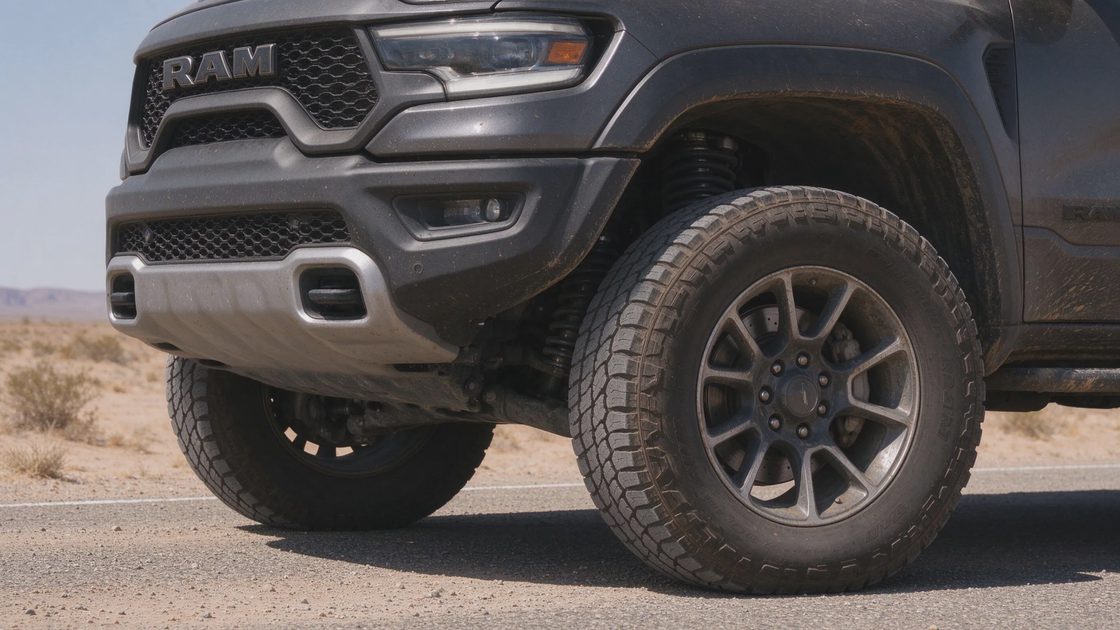
Matching the Engine to Your Life
Choosing between these two powertrains comes down to your personal approach to vehicle ownership and mechanical maintenance. If you prioritize long-term mechanical simplicity, plan to keep your truck past 150,000 miles using independent repair shops, and love classic V8 sound and linear throttle response, a 5.7L HEMI V8 Ram 1500 remains a smart purchase. It delivers proven capability with straightforward service needs.
If you desire maximum torque for mountain towing, value a quiet luxury-like cabin environment, and prefer modern performance engineering, the 3.0L Hurricane inline-six is an exceptional platform. Just commit to strict preventive maintenance, high-quality synthetic fluids, and proper fuel octane ratings. Know your numbers, understand your long-term ownership goals, and buy the Ram truck that brings confidence to your driveway every morning.